
The Department Who’ve Lost Their Dean
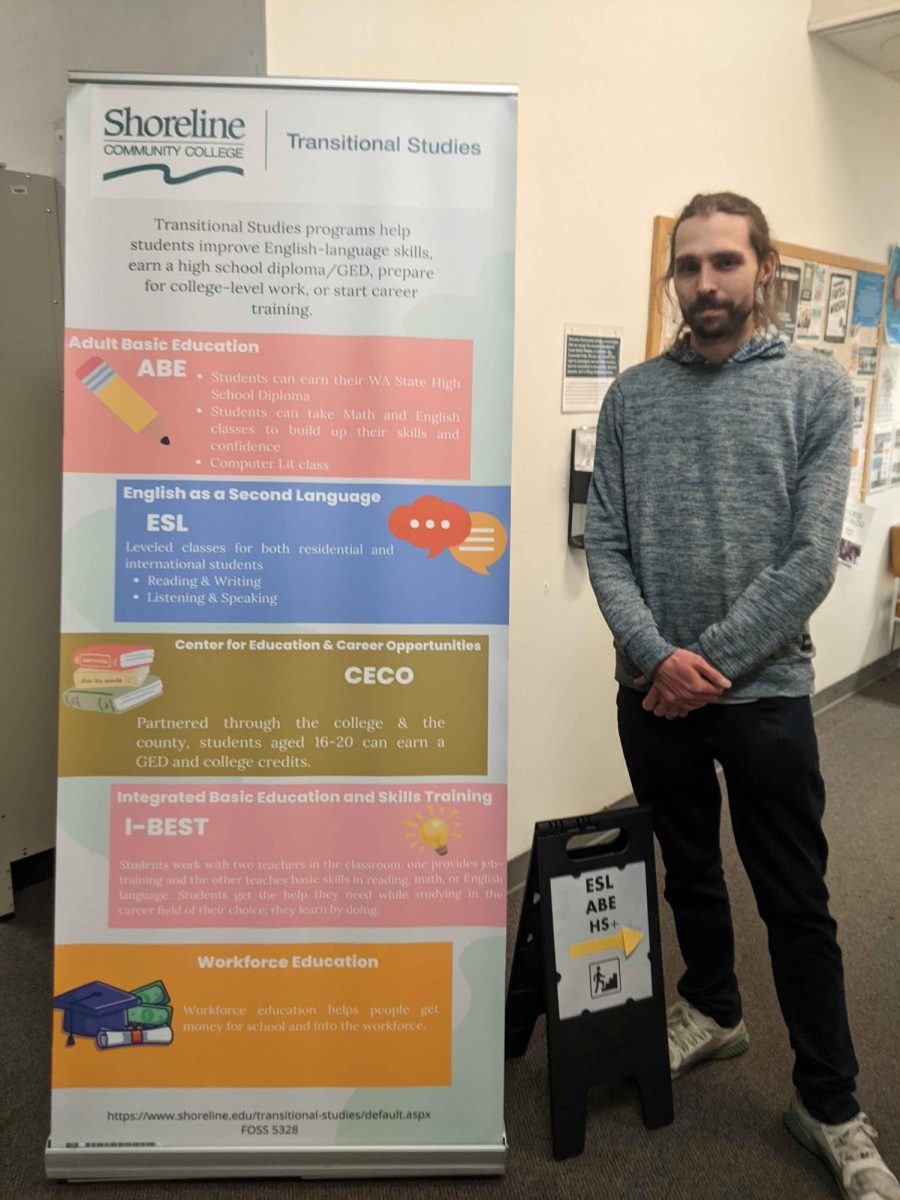
Transitional studies have been hit hard by the budget cuts occurring at Shoreline College. They were one of the earliest departments to be affected. This affects many students and staff at Shoreline College as they rely heavily on teaching or learning from this program. This program covers the English Language Learning (ELL) Program, the education of seniors, the GED program, and the Integrated Basic Education and Skills Training (I-BEST program).
Without announcement or notice, the Dean of Transitional Studies was the first to be laid off by the college to help solve the budget problems.
Taraji Belgacem, ELL Student Success Navigator, in an interview on Jan. 28 criticized the SC administration’s decision, “When the head of our program was taken out and not just to be replaced, but to the position to be eliminated without any pre-conversation, any questions asked, any conversation around it, was a big blow to all of us. So needless to say, our morale has been low.” To drive home this point she used this analogy, “It’s like we lost our mom and we don’t know what to do and there’s no parent coming back to guide us.”
Another concern of Belgacem’s was the legal problem that this may cause the college later down the road. She said, “The State Board of Community and Technical Colleges mandates a unit administrator, a UA for our program.” Without a UA of Transitional Studies, SC could face disciplinary action from The State Board.
The former dean will be paid but not rehired to act in this role for the June checkup, but the college has yet to lay plans for after that period.
Belgacem said, “We have a monitoring visit from the State Board coming up, that luckily, [the former dean] has offered [to work with us to see that through] . She’s getting compensated to see us through that finish line.”
In the meanwhile, the duties of Transitional Studies Dean have been placed under Stephanie Sareeram, the current Dean of Humanities.
Dennis Smith, Transitional Studies Program Manager described the effect of this on the program by saying, “She has some experience with our program, but we have lost a lot of institutional knowledge and a lot of organization in terms of how the program is going to grow going forward… We know that Stephanie has been given that role through June, and that is the end of our mapped-out future.”
The program deals with a lot of uncertainty and is worried deeply about the effect that ICE is having, Smith stating that, “there is a lot of concern and fear around the possibility of them coming to our campus.”
He also felt that Dean Sareeram having to deal with the responsibility of two departments is a strain on her ability to assist either but that this was, “in no way to speak ill of the leadership we have now and that we greatly appreciate [it]”.
The Price of Saving Over One Million Dollars

Shoreline College is working towards fixing its budgetary strain, but this will come at the cost of several full-time employees and reduced hours and classes for many half-time employees. The college’s administration is cutting about $400,000 to full-time employees and about $1,000,000 in cuts to part-time, as-in associate faculty. These cuts would remove four full-time faculty from the college.
In an interview conducted on Jan. 28, Eric Hamako, Shoreline Faculty Union President had this to say on what Shoreline’s intentions behind these cuts are, “So it’s trying to offer fewer classes and at the same time get more students into those fewer classes.”
This proposed solution could solve the budget crunch, that is, if the college can manage it. The problem is that even if it works many staff’s lives will be negatively impacted.
Union President Hamako stated this about how his union’s stance on this issue, “We as a faculty union have concerns about the college’s ability to actually manage that enrollment to realize those savings because the college has not to date shown that it has the ability to manage enrollment in those ways.” Shoreline College has a long history of financial problems, though some are known to not be the fault of the current administration.
The full-time employees that Shoreline College will lose are a Spanish instructor, one of the three medical lab tech instructors, the automotive General Motors instructor, and the automotive Mopar instructor. Full-time employees have contracts with the administration that make it much harder to let them go than part-time employees. This amount of full-time employees being laid off feels unprecedented and an impact will likely be felt by students and staff.
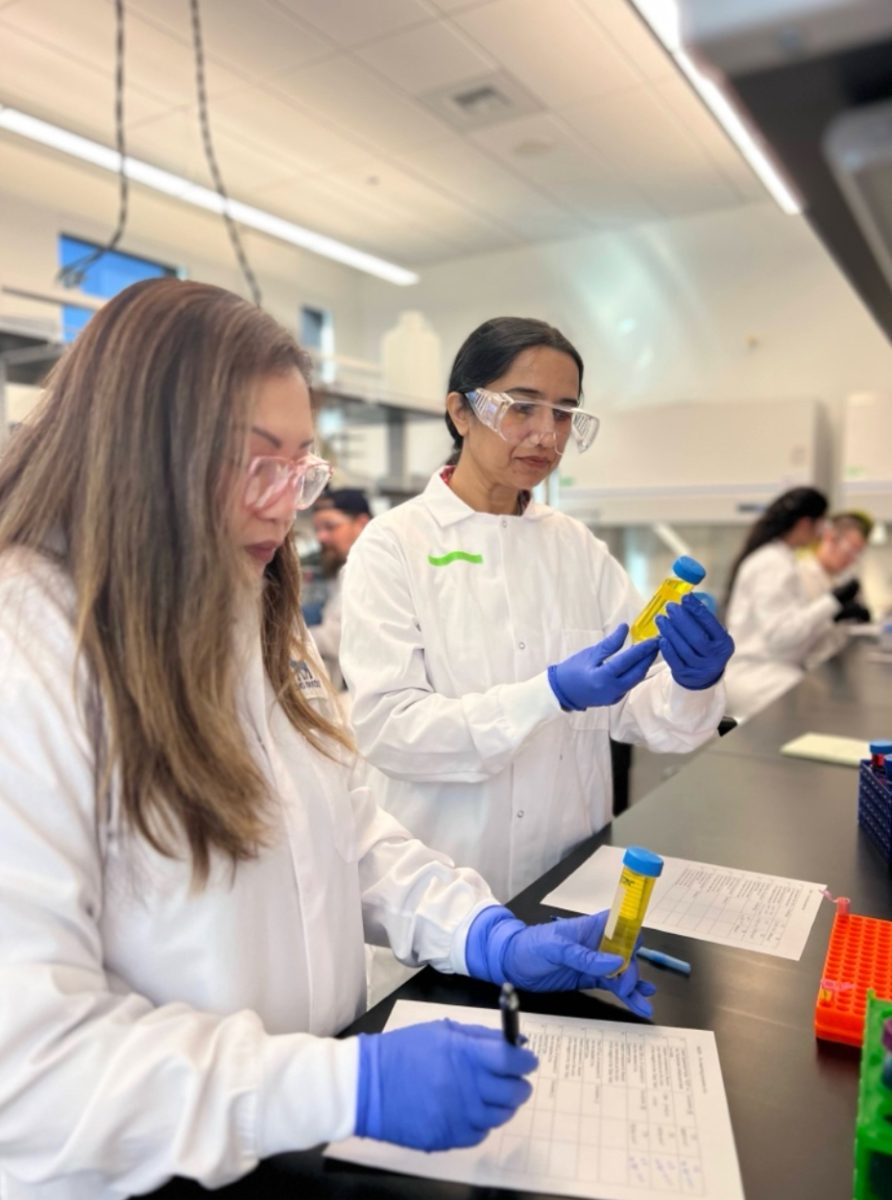
The impact of losing the medical lab tech instructor will be especially impactful to many in Shoreline’s community. The impact was such that many staff and students sent emails to the board of trustees requesting that they repeal this decision. A quote from Vi Phan’s letter in the Board of Trustees meeting on Jan. 28 reads as follows, “Unless the certification requirement for medical laboratory practicing is eliminated, reducing the ASCP certificated MLT program will severely cause a lack of workforce, which will directly and negatively impact patient care and public health in Washington State.” She also mentions that this ASCP MLT certification is required by Washington state and the better if the only two places to earn it in western Washington.
Peggy Rogers, a certified medical technologist at Swedish Edmonds Medical Center wrote an open letter to Shoreline College. The letter was written to discourage SC from firing one of their three lab tech professors, “There is a shortage of laboratory techs in this state as well as a shortage of schools that provide this training. This school helps to fill this need. Many people cannot afford the time or money to go to university… I urge you to continue this much needed program at Shoreline and to retain Nicole as a teacher in your program.”
The recent budget cuts may affect programs at SC for the worst. And we don’t know how the next rounds of budget cuts will go. Those concerned with impacting the course of the next round of budget cuts should speak out.